Article Table of Contents
Growing an ecommerce business feels great at first.
More traffic starts coming in. Orders pick up. Your product catalog gets bigger. You launch promotions that finally gain traction.
Then the cracks start to show:
- Pages load slower.
- Checkout freezes during busy periods.
- Inventory updates lag behind real sales.
- Mobile shoppers bounce before the homepage even finishes loading.
This is where ecommerce scalability and performance stop being technical buzzwords and start affecting revenue directly.
A site that works fine for 50 orders a day may struggle at 500. And many businesses don’t notice the warning signs until customers start complaining or sales start dropping.
The frustrating part is that growth itself often causes the problem. Success creates more demand on your servers, databases, apps, and payment systems. If your site was never built to scale, traffic spikes can expose weaknesses very quickly.
A slow ecommerce site doesn’t just create inconvenience, it damages trust in real-time. People expect online stores to work instantly, and when they don’t, shoppers leave.
That’s why scalability and performance need to be part of the architecture long before your biggest sales day arrives.
What E-commerce Scalability Really Means
Scalability is your e-commerce platform’s ability to grow without falling apart under pressure.
A modular, scalable site can handle more visitors, more products, more orders, and more activity without sacrificing speed or reliability.
It affects how quickly product pages load. It affects whether checkout works during a flash sale. It affects how inventory updates in real time. It even affects how your support team handles customer issues during busy periods.
To break it down, a scalable ecommerce site should be able to:
- Handle major traffic increases without crashing
- Process large numbers of simultaneous orders
- Support growing product catalogs without slowing search or navigation
- Manage promotions and seasonal spikes smoothly
- Keep mobile performance fast under heavy demand
- Maintain uptime during peak shopping periods
Many businesses assume scalability only matters for massive enterprise brands – that’s not true anymore.
Small and mid-sized ecommerce companies can experience major traffic spikes from social media exposure, email campaigns, influencer mentions, or paid ads. One successful campaign can overwhelm an unprepared site.
That’s why scalability matters early. It protects growth instead of limiting it by allowing you to expand without friction.
Preparing Your E-commerce Site for Growth
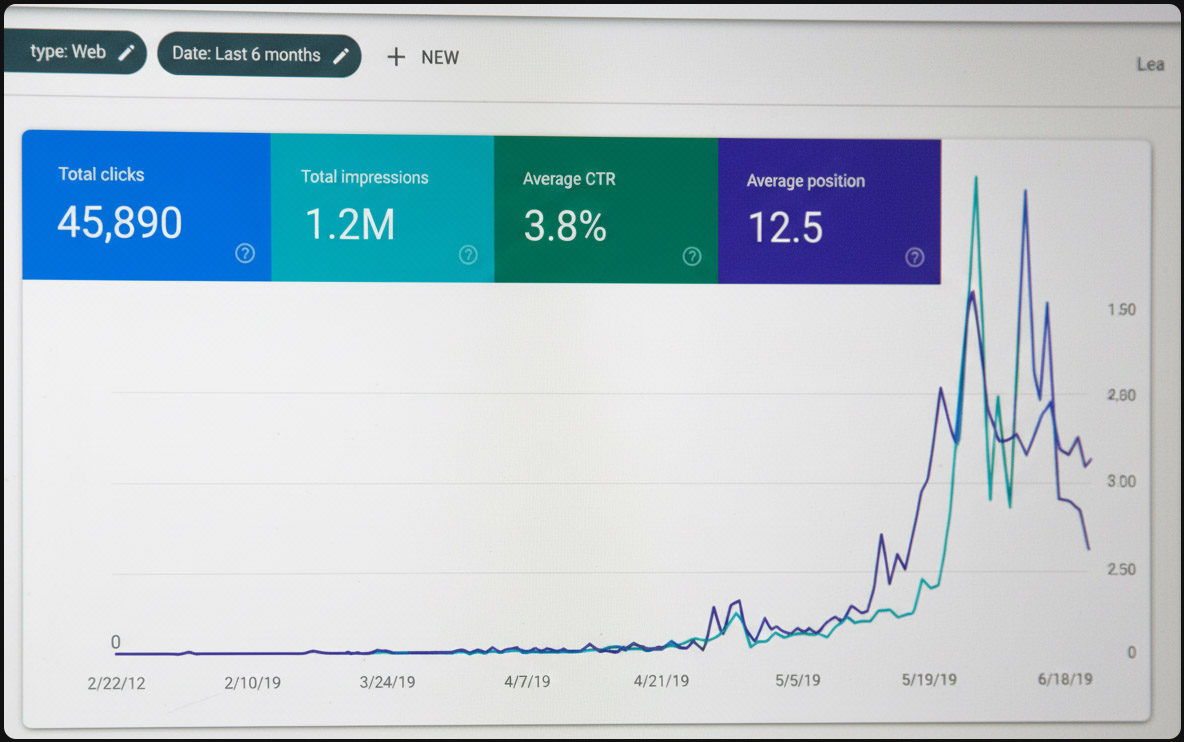
Small businesses looking to scale need a strategy that balances speed, reliability, and flexibility. Hosting is a critical first step. Choosing a high-performance or cloud-native solution ensures your site can handle sudden surges in traffic without downtime. Optimizing images, leveraging caching, and reducing unnecessary scripts will help keep your site fast and responsive.
The customer experience is another major factor. Customers expect seamless simplicity and speed. Streamlining the purchasing process, offering multiple payment options, and ensuring mobile-friendly design can dramatically reduce cart abandonment and increase conversions.
It’s also important to pick an ecommerce platform that grows with you.
Performance problems often show up in ways businesses don’t immediately notice:
- Lower conversion rates
- Reduced average order value
- Higher bounce rates
- More abandoned carts
- Poorer mobile engagement
- Lower search visibility
Increased support requests
Some e-commerce platforms struggle when your catalog expands or traffic spikes, so evaluating database performance, plugin efficiency, inventory management, and microservices integrations is essential.
Google also factors page experience and performance into search rankings. Slow ecommerce sites can struggle to compete organically, especially on mobile search results.
That means ecommerce scalability and performance affect both traffic acquisition and revenue generation at the same time.
Finally, regular monitoring and analytics help identify potential issues before they impact sales. Keeping an eye on page speed, conversion rates, abandoned carts, and traffic sources allows you to make proactive improvements.
Start with hosting and infrastructure
Hosting plays a major role in ecommerce scalability and performance.
Cheap shared hosting may work for smaller stores, but it often struggles under higher traffic loads. As your business grows, infrastructure needs become more demanding. Cloud hosting and high-performance managed hosting environments typically provide better scalability because they can allocate resources dynamically during traffic surges.
The goal is stability under pressure. A strong hosting setup should support:
- Fast server response times
- High uptime reliability
- Traffic spike protection
- Content delivery networks (CDNs)
- Automatic scaling options
- Secure transactions and backups
Infrastructure decisions also affect long-term flexibility. Migrating hosting providers after major growth becomes more complicated, so planning early helps avoid disruption later.
Optimize images and media files
Large image files are one of the most common causes of slow ecommerce websites. Modern ecommerce stores rely heavily on visuals, especially for mobile shoppers.
But oversized product images and uncompressed media can slow pages significantly. Optimization helps reduce load times without hurting image quality.
This includes:
- Compressing product images
- Using next-generation image formats
- Lazy loading media assets
- Reducing unnecessary video autoplay
- Limiting oversized background graphics
Performance improvements here often produce immediate gains, especially on mobile devices and slower internet connections.
Reduce unnecessary scripts and plugins
Many ecommerce sites become bloated over time.
Businesses install marketing tools, tracking scripts, plugins, popups, chat widgets, APIs, and third-party integrations without realizing how much they affect speed. Every extra script creates more requests and more processing overhead. Some plugins also conflict with one another or create database strain during peak traffic periods.
Regular audits help identify unnecessary tools that slow down the site without delivering enough value.
This is especially important for ecommerce platforms that rely heavily on third-party extensions.
Why user experience matters so much
Checkout is where performance issues become expensive.
People may tolerate a slightly slow homepage. They won’t tolerate payment failures or frozen checkout pages. A complicated or unreliable checkout process increases cart abandonment quickly.
Fast-growing ecommerce brands often focus heavily on traffic generation while underestimating how sensitive checkout performance really is.
Improving checkout usually means simplifying the process:
- Reduce the number of steps
- Allow guest checkout
- Support multiple payment methods
- Optimize mobile usability
- Minimize form fields
- Improve page load speed during payment processing
Mobile checkout deserves extra attention because mobile traffic now dominates many ecommerce industries.
Buttons need to work cleanly. Payment forms need to load instantly. Friction needs to stay low.
People shopping on phones are even less patient with delays.
Real-World Example: Denver Ecommerce Growth
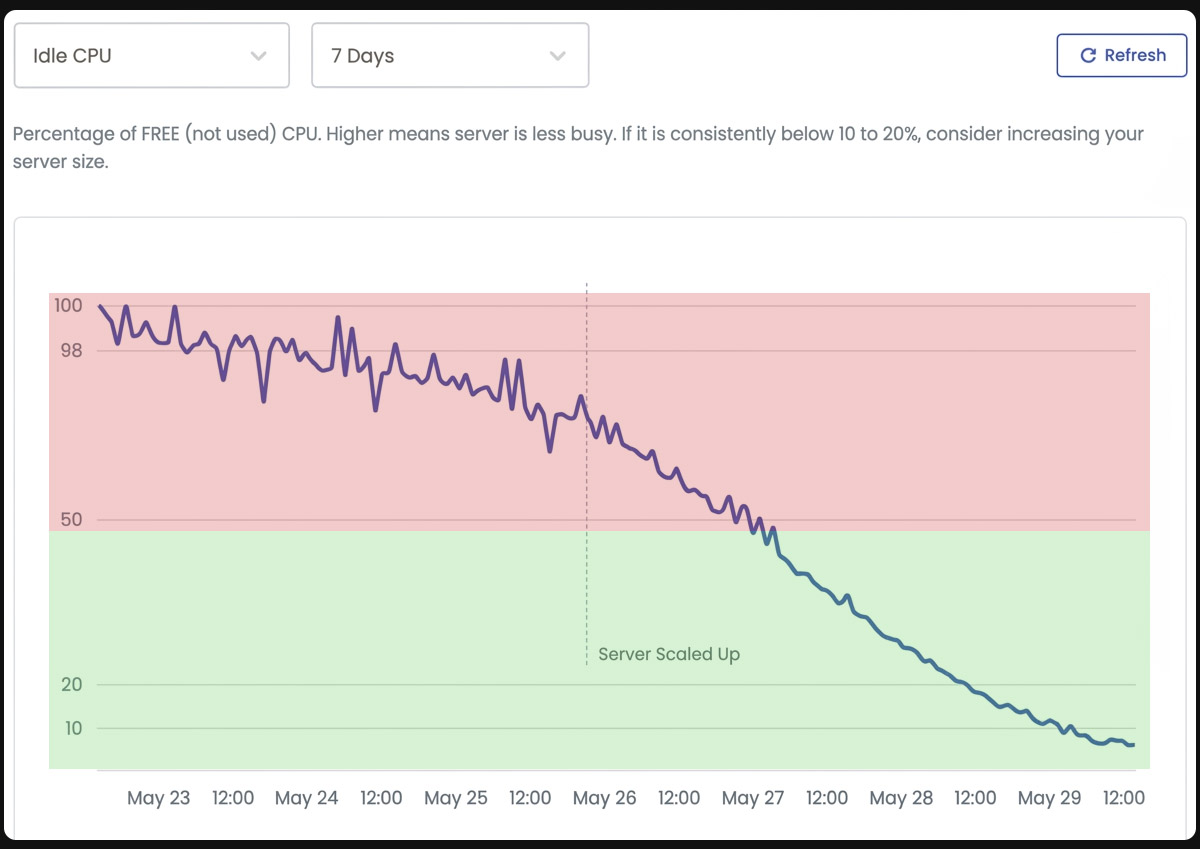
One one our Denver automotive brands experienced this firsthand after rapid growth from social campaigns and seasonal promotions.
Traffic increased faster than their infrastructure could handle. During busy periods, pages slowed dramatically and checkout errors became more common. The problems weren’t visible during slower weeks, which made diagnosing the issue more difficult at first.
After migrating to higher-performance hosting, optimizing site assets, reducing unnecessary scripts, and improving checkout flow, the business stabilized performance during peak traffic periods.
The results were measurable
- Faster page load times
- Lower cart abandonment
- Better mobile conversions
- Fewer customer complaints
- Improved reliability during promotions
Most importantly, the business could continue growing without worrying that traffic spikes would damage sales.
E-commerce growth depends on reliability
Scaling an ecommerce business is thrilling, but only if your website can keep up. For small businesses, paying attention to scalability and performance ensures a smooth shopping experience, reliable handling of traffic spikes, and long-term growth without technical headaches.
For ecommerce brands trying to compete in crowded markets, speed and reliability are no longer optional features. They are part of the customer experience itself.
At VectorDefector, we help businesses in Denver and beyond build ecommerce sites that are fast, scalable, and ready for growth, with boutique attention to detail and performance-driven strategies.
👉 Ready to make your ecommerce site ready for the big leagues? Let’s talk today.